
Privacy Vs. Personalization
Technology has been a tremendous aid in making our lives easier. From smartphones to smart lights, and everything in between, technology is now more integrated into our lives than ever before. This holistic approach toward technology is only going to grow as our technology advances. This also means that we are online far more today than we have ever been. Being entirely unplugged from the internet is becoming far rarer.
Technology is also leading to greater personalization. This means our lives are streamlined and we don’t end up wasting time on things we don’t find relevant. A perfect example of personalization is Spotify or YouTube. Through a very intuitive algorithm, Spotify and YouTube can find new relevant content for you, with a high degree of success. Netflix is another great example of exactly this personalization which enhances the entire user experience.
However, we have seen that personalization can be a
double-edged sword. While we've seen how technology may be
used to better our lives, it can also be viewed as an
intrusion into our privacy. Through confusing wording,
collection of unnecessary data, and other misleading privacy
policies certain companies have gone beyond personalization,
and no longer have the best interests of customers in mind.
How much does Privacy vs. Personalization really impact your life?
After having installed Alexa, the digital assistant in his
home, one often finds that their ads are more personalized
and initially this can be incredibly useful for the user.
The ads are often far more relevant, however, the amount of
data that we are often unwittingly granting access to is
being used in more ways than a lot of us realize. An
anecdotal example of this is when I first got my dog. Almost
overnight I began seeing ads for pet food. I was amazed
initially, and the ads saved me a lot of time. But as I
thought about it more, it worried me as I had never searched
online for anything related to
my dog.
To further
emphasize the point of us not being entirely aware of the
data that we are granting access to, how many of you have
checked your google ad profile?
This might seem
incredibly overwhelming; however, privacy and
personalization do not need to be mutually exclusive.
Instead, it is best to look at them as two sides of the same
coin. The best brands combine personalization whilst
respecting their users’ privacy. In the short term, this
might mean having fewer data to use. In the long run,
however, the trust and goodwill that the brand can build are
incredible.
As a marketer, it is our job to understand how to walk this line and provide the best experience for our customers. Keeping a few points in mind, it is more than possible to strive for both privacy and personalization.
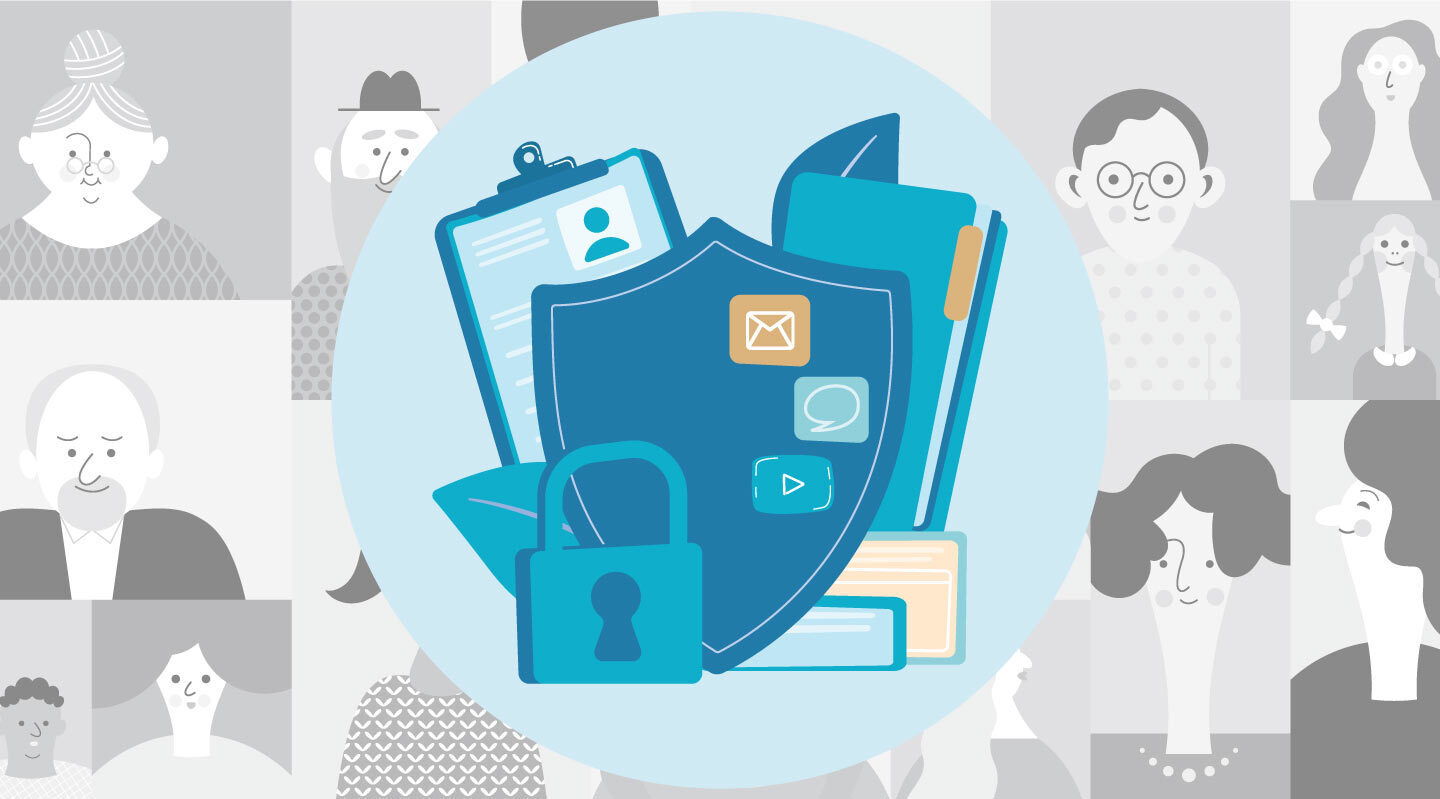
Privacy
The first and most important aspect is to let the user know what data they require and additionally, why the brand needs this. On the other side of this coin, it is equally important to not overburden users with information that is not relevant to them. This not only ensures that the customer is entirely aware of what information they are providing, but builds their trust as they can see the relevance of the data provided.
Aside from simply using the data, brands also need to be cognizant of where they are acquiring their data from. First-party data is the most relevant and should be used to best serve the users, providing them with the most optimized experience. As far as possible third-party data usage should be curtailed. Usage of third-party data is also often viewed by an audience as invasive. It can even act as a deterrent for a user and lower the overall brand image.
A second important thing for brands to keep in mind is
the legality of using data. In 2017, the Supreme Court of
India ruled that personal information in the shape of
privacy in howsoever form is a constitutional right of
Indian citizens to keep private. This makes the usage of
third-party data heavily restricted with further tightening
of regulations in sight. It is in the brand's best to adhere
to the law and use ethical and transparent means of
personalization.
Personalization
After acquiring consent from a user, a brand should strive
to provide the best experience to a user. By showcasing
relevant content, promptly, a user can have a greatly
enhanced experience. The increased understanding of the
customer will showcase the brand as one knows its customers
which can build the image for the audience.
Users who
have positive experiences are also more likely to become
recurring users. This brand loyalty will then grow into
word-of-mouth. Any marketer knows this is one of the most
persuasive channels for acquiring new customers.
Whilst
optimizing the customer's experience, a brand will
simultaneously get the advantage of reducing costs. By
streamlining the personalization process, users can be
accurately targeted. This helps to reduce unnecessary extra
expenditures on those things that a user finds irrelevant.
This further leads to better-qualified leads, more effective
sales calls, and a better ROI.
How Does ePayLater walk the line between personalization and privacy?
To provide a seamless customer experience and to
determine creditworthiness, we at ePayLater ensure that we
make all our requests incredibly transparent and explicitly
request certain permissions to complete the signup
process.
We make sure that you know why we need the
data that you provide us, and ensure its utmost secrecy. We
use this data to not only best serve you but also to protect
you. All our information is closely guarded and we ensure
that it is never allowed beyond the organization.
To conclude both privacy and personalization are important as we continue to evolve and as technology continues to advance. Ensuring the privacy of a user is treated with utmost importance, and duly respected, whilst personalization is done keeping the user in mind a brand can prosper tremendously in the current environment.
For all the latest news and updates follow our LinkedIn page here!